Bezos Centre for Sustainable Protein formally opens in White City
Senior science leaders joined next-generation innovators at White City Campus for the formal opening of the new state-of-the-art laboratories for the Bezos Centre for Sustainable Protein.
The Centre – the European hub for the Bezos Earth Funds‘ Future of Food programme – represents a major advance for the field of sustainable protein, bringing together leading researchers, industry partners, investors, and policymakers in one cutting-edge facility.
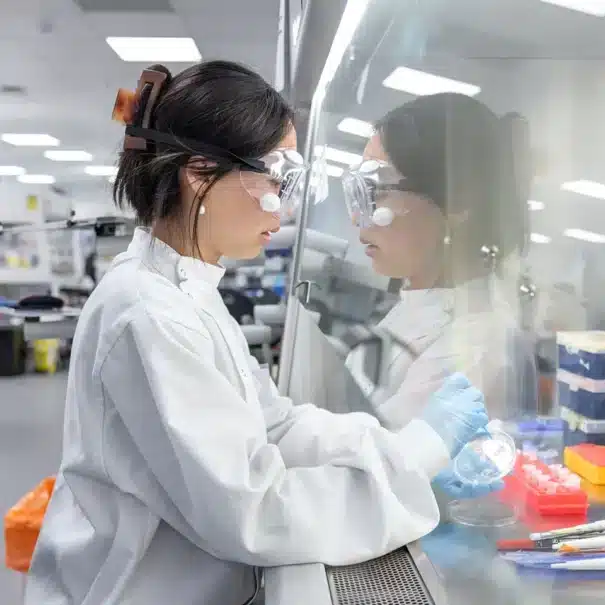
The new laboratories will provide dedicated space for applied research in sustainable foods, giving teams the ability to develop, test, and scale sustainable protein technologies within a single, integrated facility. The building also becomes home to the Microbial Food Hub, expanding Imperial’s capacity to advance microbial and fermentation‑based approaches as part of wider sustainable foods research ecosystem.
The new interconnected laboratories are designed to support the full research and translation pipeline — from cell banking and strain selection through to scale‑up, quality analysis, and commercialisation — enabling teams to tackle urgent global challenges around climate change, food security, and the resilience of supply chains. By advancing sustainable protein technologies, the Centre aims to reduce the environmental impact of food production and strengthen a more secure, sustainable global food system, while also training the next generation of specialists through new PhD and Master’s programmes that build the technical and translational expertise needed to accelerate progress in this field.
“At Imperial, we try hard to make integration and collaboration across disciplines as easy as possible, because we believe that’s where transformation can happen. The Bezos Centre for Sustainable Protein has been supported by the Bezos Earth Fund and built to accelerate that work here in White City. The Centre is already home to more than 160 researchers, and we now have over £60m in research funding in the sustainable protein space – all of which comes with a very clear focus on making sure that we translate this work into real-world applications.”
Professor Mary Ryan, Imperial’s Vice-Provost (Research and Enterprise)
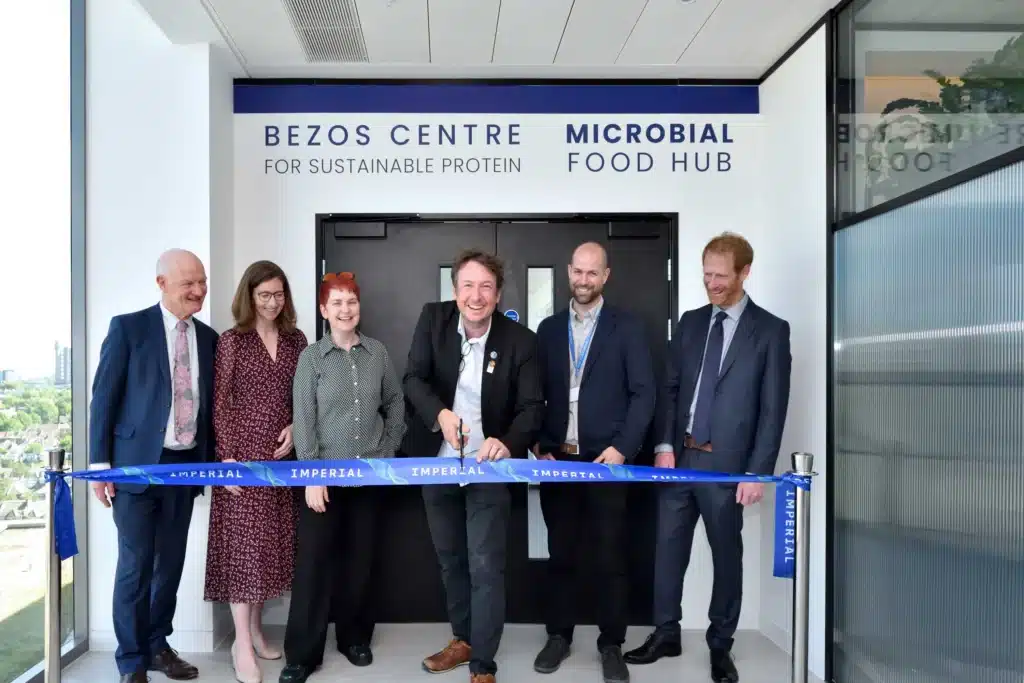
Dr Andy Jarvis, from the Bezos Earth Fund, formally opens the new laboratories in White City Innovation District
For the ribbon cutting ceremony, Imperial researchers were joined by UK government representatives, and leaders from major regulatory bodies. Chief Executive of the Food Standards Agency Katie Pettifer, Deputy Chief Scientific Advisor for the Department of Environment, Food and Rural Affairs Dan McGonigle, and Chair of the Regulatory Innovation Office Lord David Willetts all addressed the guests at the event.
The event was also attended by pioneering sustainable food startups supporting the Centre’s work, including:
Arborea – a sustainable food and nutrition company, based at White City Innovation District’s I-HUB and founded by Imperial alumnus Julian Melchorri. Arborea’s technology allows the capture and conversion of carbon dioxide into net-zero protein and other ingredients for use in food, animal feed, petcare, cosmetics and agriculture.
Meatly– a cultivated meat company that last year launched the world’s first cultivated pet food. The team recently announced that it has raised more than £10m to build Europe’s largest cultivated meat bioreactor facility at Imperial’s Grapht Works industrial hub, part of WestTech London.
BEZOS CENTRE FOR SUSTAINABLE PROTEIN
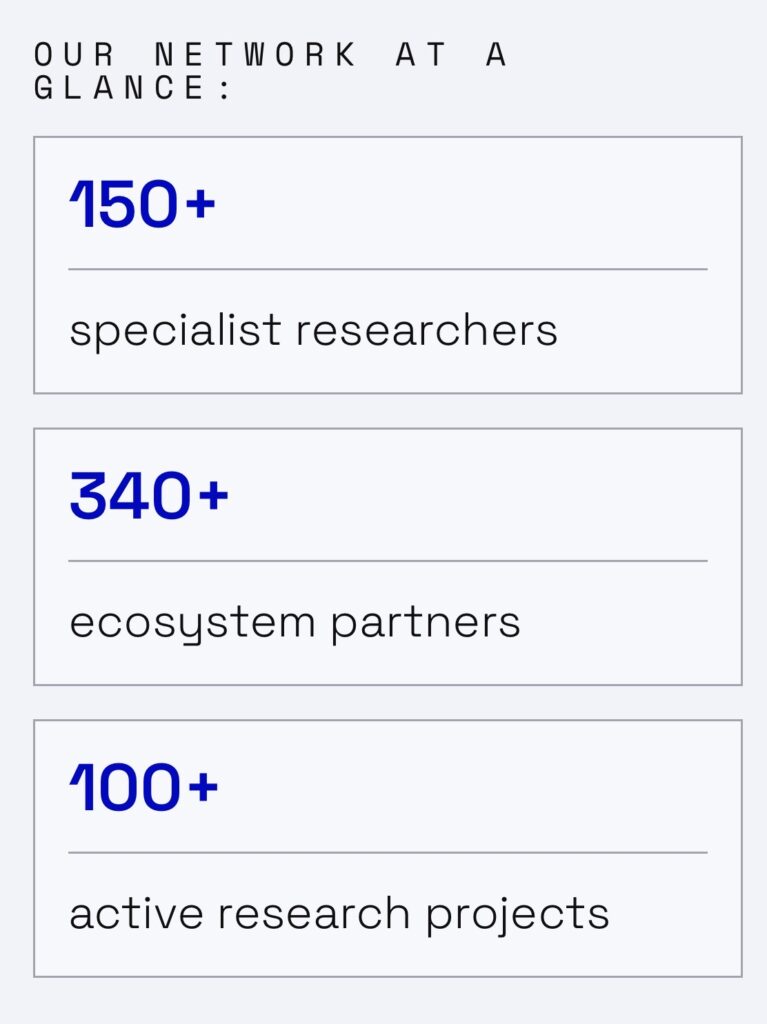
The Bezos Centre for Sustainable Protein was announced in 2024 as part of a $100 million Bezos Earth Fund commitment. Since then, it has built a network of more than 350 companies and stakeholders, launched over 100 research projects, and brought 11 VCs on board. Spanning seven Imperial departments, the Centre advances research in areas including precision fermentation, cultivated meat, bioprocessing and automation, nutrition, and AI‑driven approaches to sustainable protein innovation.